
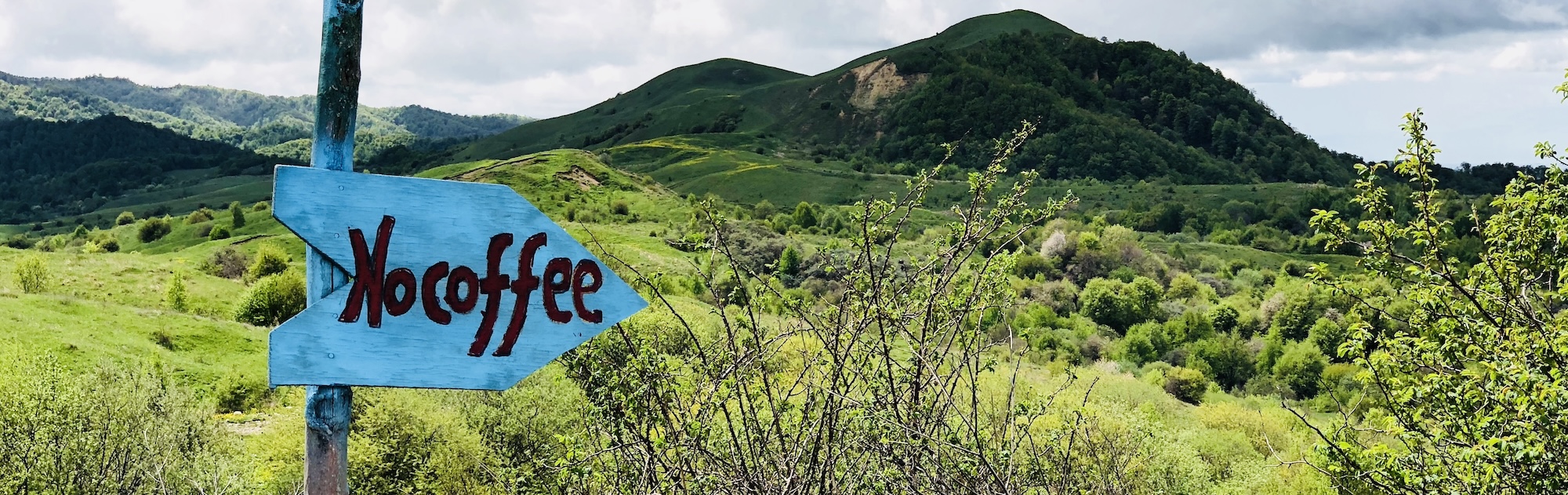
Georgia is one of the most welcoming, accessible, and diverse destinations in the world. Located at the crossroads of Europe and Asia, this small Caucasus nation offers an incredible variety of experiences within a relatively compact area. In just a few days, travelers can wander through ancient cave cities, hike among some of Europe's highest mountains, relax on the Black Sea coast, discover UNESCO World Heritage Sites, and taste wines produced using traditions that date back more than 8,000 years.
What makes Georgia truly special is not only its landscapes but also its people. Hospitality is deeply rooted in Georgian culture, and guests are traditionally considered to be the "gift from God". Whether you are staying in a family guesthouse in the mountains of Svaneti, visiting a small winery in Kakheti, or exploring the vibrant streets of Tbilisi, you will often be welcomed with genuine warmth and generosity.
At the same time, Georgia is a country with its own customs, traditions, transportation systems, and practical considerations that first-time visitors should understand before arriving. Knowing what to expect can help you avoid common mistakes, travel more comfortably, and experience the country in a more authentic way. At the same time over the years much has changed in the country strating from rules and regulations, politics and the experiences you can get in Georgia.
Below are 10 essential things every traveler should know before visiting Georgia in 2026.
1. Georgia has been a Visa-Friendly Destination However Travel Rules and Regulations Are Becoming More Structured
Georgia remains one of the most welcoming and accessible destinations in the region, but visitors should be aware that regulations are being enforced more consistently than in previous years. As the country continues to develop its tourism, migration, and transportation systems, authorities have introduced clearer procedures and stricter enforcement of existing rules.
Travelers should pay attention to local regulations, including visa conditions, registration requirements, and traffic laws. Even seemingly minor violations, such as crossing the road outside designated pedestrian areas, can result in fines in some cities.
These changes are part of Georgia's ongoing efforts to improve public services, increase safety, and align with international standards. For most visitors, they have little impact on the travel experience, provided basic rules are respected and required documentation is prepared in advance.
The best approach is simple: stay informed, carry the necessary documents, and follow local regulations. Doing so will ensure a smooth and enjoyable journey while exploring one of the most fascinating countries in the Caucasus.
Travel Insurance Is Mandatory for Visiting Georgia
As of 2026, all foreign visitors entering Georgia are required to have valid travel health and accident insurance, including travelers who qualify for visa-free entry.
Your insurance policy must remain valid for the entire duration of your stay and provide adequate coverage for medical treatment, accidents, and emergency situations. While checks may occur upon arrival, many airlines are also verifying insurance documents before passengers board flights to Georgia. To avoid complications, it is strongly recommended to arrange your insurance before departure and keep both digital and printed copies of your policy.
If you are traveling on a visa rather than under Georgia's visa-free regime, additional documentation may be required. Georgian immigration authorities are known for carefully enforcing entry requirements, so it is important to ensure that all paperwork is complete and up to date before your trip.
2. Respect Religion and Local Customs
Georgia is a deeply cultural and historically religious country, with the majority of the population following Georgian Orthodox Christianity. Religion is not only a belief system here but also an important part of national identity, art, architecture, and everyday life.
As you travel across the country, you will encounter hundreds of churches, monasteries, and roadside shrines, many of which are active places of worship rather than just historical monuments. Respecting these spaces is essential for a positive travel experience.
When visiting religious sites, modest dress is expected. In many churches, especially outside of major cities, visitors are asked to cover shoulders and knees. Women may also be required to wear a headscarf or a provided covering before entering certain monasteries.
It is a good idea to always carry a light scarf or shawl, particularly if your itinerary includes rural regions or mountain monasteries. While rules are generally not strict in a confrontational sense, they are taken seriously and should be followed respectfully.
Beyond dress code, behavior inside churches is equally important. Speaking quietly, avoiding flash photography, and being mindful during services are simple but meaningful ways to show respect.
Georgia’s culture also extends beyond religion into everyday etiquette. Hospitality is central to Georgian identity, and visitors are often welcomed warmly into homes, wine cellars, or family gatherings. Even if you are not religious, showing respect for traditions will significantly enrich your experience in the country.
3. Georgia Has Extreme Climate Diversity
One of the most surprising aspects of Georgia is its dramatic climate diversity within such a small geographical area. In a single trip, you can experience subtropical coastlines, dry semi-desert landscapes, fertile wine regions, alpine meadows, and snow-covered peaks.
Temperatures can vary significantly depending on elevation and region. In summer, eastern Georgia can reach temperatures of +35°C to +40°C, while high mountain areas may remain cool even during peak season. In winter, mountain regions can drop well below freezing, sometimes reaching extreme lows in remote areas.
This variation makes packing especially important. Lightweight summer clothing is suitable for cities like Tbilisi or Batumi in warm months, but anyone heading into the mountains should always prepare for sudden weather changes.
A practical packing mindset for Georgia is to assume “layered travel” rather than seasonal travel. Even in July or August, evenings in Kazbegi or Svaneti may require a warm jacket.
Georgia’s climate zones broadly include:
-
Subtropical conditions along the Black Sea coast
-
Dry, hot summers in eastern regions like Kakheti
-
Alpine and subalpine conditions in the Greater Caucasus
-
Cold, snowy winters in high-altitude villages
This diversity is part of what makes Georgia such a unique destination, but it also requires flexibility and awareness when planning your itinerary.
4. Don’t Miss the Georgian Mountains
The mountains are at the heart of Georgia’s identity. Around 80% of the country is mountainous, and the Greater Caucasus range forms one of the most dramatic landscapes in Europe.
For many travelers, visiting places like Kazbegi is the moment Georgia truly comes alive. The combination of towering peaks, deep valleys, historic churches, and remote villages creates an atmosphere that feels both raw and timeless.
Kazbegi (Stepantsminda) is one of the most accessible mountain regions and offers iconic views of Mount Kazbek and the famous Gergeti Trinity Church. Further into the country, regions such as Svaneti and Tusheti offer even more remote and untouched experiences, but require more time and planning.
However, mountain travel in Georgia requires preparation and flexibility. Weather conditions can change quickly, and roads to high-altitude regions may close due to snow, landslides, or heavy rain, especially outside the summer season.
It is always recommended to:
-
Check seasonal accessibility before traveling
-
Allow extra time in your itinerary for delays
-
Avoid tight schedules when visiting remote regions
-
Use local drivers familiar with mountain roads
Despite these challenges, the Georgian mountains are often the highlight of any trip. They offer some of the most dramatic scenery in the entire Caucasus region and provide a completely different perspective on the country.
5. Best Time to Visit Georgia
Georgia is a year-round destination, and each season offers a completely different experience. There is no single “best” time to visit, but spring and autumn are generally considered the most balanced for most travelers.
Spring (March to May) brings fresh greenery, blooming landscapes, and comfortable temperatures ranging from 20°C to 25°C in many regions. It is an excellent time for sightseeing, cultural travel, and exploring wine regions before the summer heat arrives.
Autumn (September to November) is equally popular, especially because it coincides with the grape harvest season known as Rtveli. This is one of the most important cultural events in Georgia, where families gather to harvest grapes and produce wine. The weather during autumn is mild, and landscapes turn into rich shades of gold and red.
Summer is ideal for mountain travel, especially for destinations like Svaneti, Tusheti, and Kazbegi. However, lowland areas such as Tbilisi can become very hot.
Winter transforms Georgia into a ski destination, with resorts like Gudauri and Bakuriani attracting winter sports enthusiasts.
Ultimately, your best time to visit depends on your interests:
-
Cultural travel and cities → Spring and autumn
-
Hiking and mountains → Summer
-
Skiing and winter landscapes → Winter
6. Transport in Georgia Is Cheap and Easy
Getting around Georgia is relatively simple, especially in cities. Tbilisi in particular has a well-developed and affordable public transport system that includes metro, buses, and cable cars.
One of the most convenient features is the ability to pay using contactless bank cards or mobile payments such as Apple Pay and Google Pay. This makes it easy for travelers to use public transport without needing to purchase tickets in advance.
The cost of transportation is very low compared to most European countries. A typical ride in Tbilisi costs around 1 GEL and includes a 90-minute transfer window across metro and buses.
Outside the capital, transportation remains affordable, although systems vary by region. Intercity travel is usually done via minibuses (marshrutkas), trains, or private drivers.
While independent travel is possible, many visitors choose private transfers or guided tours for comfort, especially when visiting mountain regions or remote areas where schedules can be limited.
7. Get a Local SIM Card in Georgia
A local SIM card is one of the most useful travel essentials in Georgia. Although Wi-Fi is widely available in hotels, cafés, and restaurants, mobile data is essential for navigation, ride-hailing apps, and communication.
SIM cards are inexpensive and easy to obtain, with major providers including Magti, Silknet, and Cellfie. Coverage is generally strong in cities and most rural areas, although Magti tends to offer the best performance in mountainous regions.
Prices are very affordable, and most travelers can get a data package for a few euros per week. Unlimited data plans are also available.
It is recommended to purchase your SIM card in the city rather than at the airport, where prices are often higher and package options more limited. Registration is simple and usually requires only a passport.
For most travelers, having a local SIM significantly improves the travel experience by making navigation and communication much easier.
8. Use Bolt for Taxis in Georgia
Uber does not operate in Georgia, but Bolt has become the standard ride-hailing app in most cities. It is widely used by locals and visitors alike and offers transparent pricing and reliable service.
Bolt allows users to see the fare before confirming a ride, which eliminates negotiation and reduces misunderstandings. Payment can be made by card or cash, and the app is available in English.
Traditional taxis still exist in Georgia, but they do not use meters, which means prices must be agreed upon in advance. This can sometimes lead to confusion, especially for first-time visitors.
For this reason, most travelers prefer Bolt for everyday transport. It is especially useful in Tbilisi, Batumi, and Kutaisi, where availability is high and wait times are usually short.
As a general rule, it is best to avoid taxis directly outside airports and instead use ride-hailing apps or pre-arranged transfers.
9. Driving and Transportation Culture in Georgia
Driving in Georgia can be an experience in itself. While road infrastructure has improved significantly in recent years, driving habits can still feel different from what many visitors are used to.
Traffic in cities like Tbilisi can be busy and fast-paced, while rural and mountain roads may require extra caution due to sharp turns, livestock, or changing weather conditions.
Public transport between cities is typically handled by marshrutkas (shared minibuses), which are inexpensive and widely used. While they offer an authentic local experience, they can be less comfortable for long journeys compared to private transport or trains.
For travelers who prefer comfort and flexibility, hiring a private driver is often the best option, especially when exploring mountain regions or multi-stop itineraries.
10. Georgia Is a Wine and Food Paradise
Georgia is one of the world’s oldest wine-producing countries, with a tradition that dates back over 8,000 years. Wine is deeply embedded in Georgian culture, not only as a product but as a symbol of hospitality, celebration, and identity.
The traditional qvevri winemaking method, where wine is fermented in large clay vessels buried underground, is unique to Georgia and recognized by UNESCO as part of the world’s cultural heritage.
Food is equally important in Georgian culture. Meals are often social events that bring people together for long conversations, storytelling, and shared dishes.
Some of the most iconic Georgian dishes include khinkali, khachapuri, mtsvadi, lobio, and churchkhela. Each region of the country has its own culinary identity, meaning food varies significantly as you travel.
A trip to Georgia is not complete without experiencing a traditional supra, a festive feast led by a tamada (toastmaster), where food, wine, and storytelling come together in a deeply cultural experience.
Final Thoughts
Georgia is a country that offers far more than just sightseeing. It is a destination defined by contrasts—ancient traditions and modern cities, mountain wilderness and vibrant culture, simplicity and depth.
With the right preparation and understanding of local customs, travelers can experience Georgia in a way that feels authentic and deeply rewarding. From the hospitality of its people to the richness of its cuisine and the beauty of its landscapes, Georgia leaves a lasting impression on almost everyone who visits.
Whether you are exploring ancient monasteries, hiking through the Caucasus Mountains, or sharing a meal with locals, the country invites you to slow down, stay curious, and experience travel in its most meaningful form.